
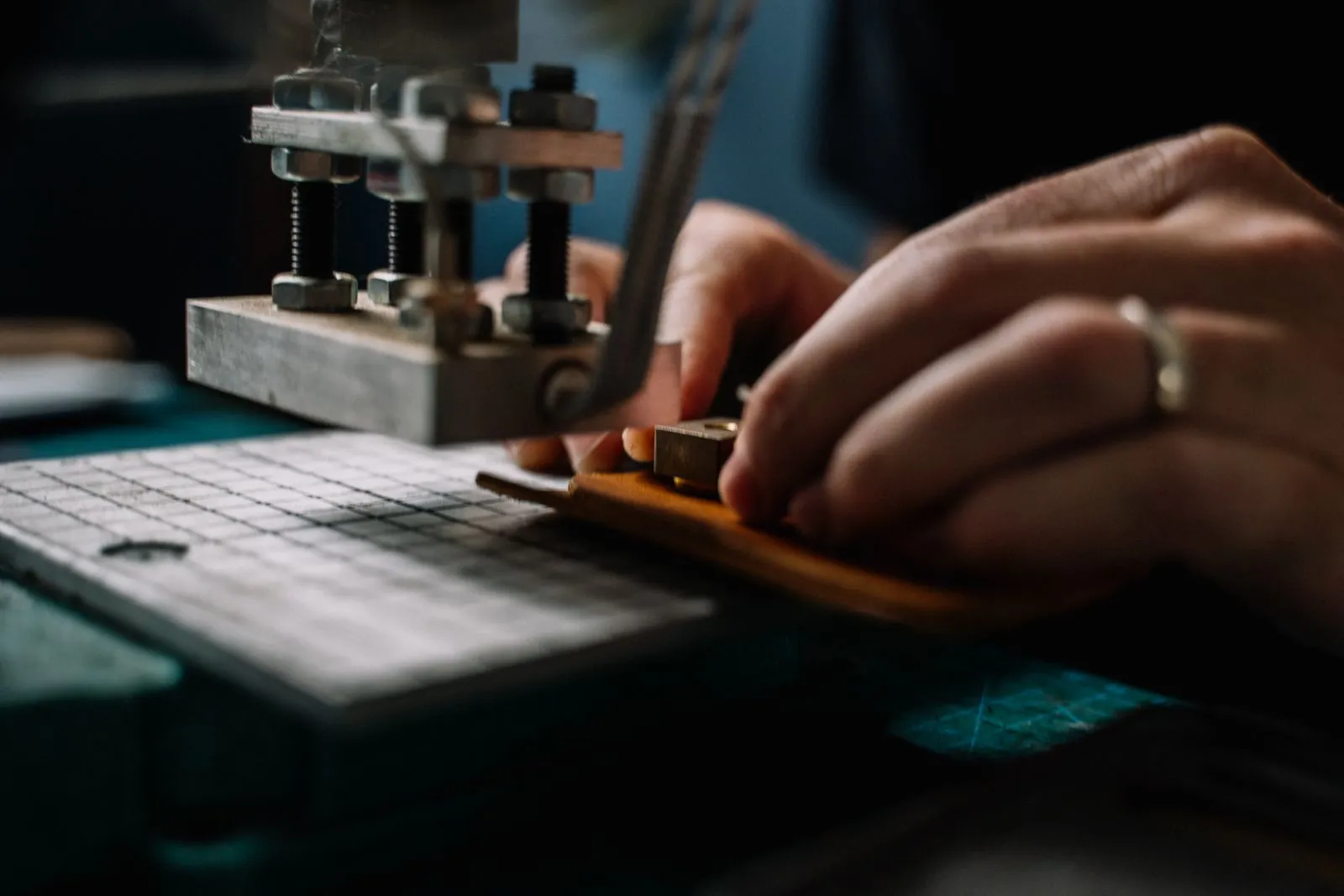
A well-made leather bag can serve you for years, but everyday use brings dust, oils, scuffs, and changing weather. A simple care routine helps preserve the leather’s feel and appearance without over-treating it. Start by checking the maker’s care instructions, since finishes and leather types respond differently to products. Then use gentle cleaning, occasional conditioning, and sensible storage to keep your bag in good shape through regular use.
Clean Gently and Regularly
For routine cleaning, empty the bag and use a clean, soft, dry cloth to remove surface dust. Wipe gently rather than scrubbing, paying attention to handles, corners, and other areas that contact hands or clothing. If the leather needs more than dusting, test a leather cleaner made for its finish on a hidden spot first. Follow the product directions and avoid soaking the material.
Treat spills promptly by blotting with a clean, absorbent cloth. Do not rub, since that can spread the stain or push it deeper into the leather. Avoid household cleaners, alcohol, and baby wipes unless the maker specifically recommends them; these can strip finishes or leave marks. If a stain remains, ask a leather-care professional before trying stronger products.
Condition Only When Needed
Leather conditioner can help keep some leathers supple, but more is not better. First confirm that the product suits the bag’s leather and finish. Test a small amount in an inconspicuous area, then apply a thin, even layer with a soft cloth if the test looks right. Let it absorb as directed and buff away any excess.
Condition based on the leather’s condition rather than a strict calendar. If the surface feels dry or looks dull, it may be time to check the maker’s guidance. Too much conditioner can leave leather greasy, darken its color, or soften its structure. Skip conditioning for finishes that call for different care, and never apply it to a damp bag.
Protect Leather From Moisture
Leather can spot or change shape when it gets wet, so use an umbrella or bag cover during rain when practical. If the bag becomes damp, blot it gently and let it air-dry at room temperature. Keep it away from radiators, hair dryers, and direct heat, which can dry or crack the leather. Do not store the bag until it is fully dry.
A water-repellent spray may suit some bags, but it can alter color or finish. Check the maker’s advice and the product label, then test a discreet area before treating the whole bag. Apply only as directed in a well-ventilated space. No spray makes leather waterproof, so avoid leaving the bag in rain or placing it on wet surfaces.
Store It to Keep Its Shape
When the bag is not in use, empty it and fasten closures. Lightly fill the interior with clean, acid-free tissue or a soft cloth to support its shape without stretching it. Store it upright in a breathable dust bag, away from direct sunlight, excess heat, and damp areas. Avoid plastic bags, which can trap moisture and limit airflow.
Keep straps positioned so they do not press into the leather or create sharp bends. Do not hang a heavy bag by its handles for long periods, because the weight can strain them. Give the bag room in a closet rather than compressing it between other items. Before using it again, check for dust or moisture and wipe it with a soft cloth.
Gentle cleaning, restrained conditioning, dry storage, and prompt attention to moisture can help a leather bag age well. Because leather finishes vary, the maker’s care instructions should guide product choices and any stain treatment. Build these simple habits into your routine, and contact a leather-care professional if damage needs more than basic cleaning.